Edward Feliks Dziechciarczyk
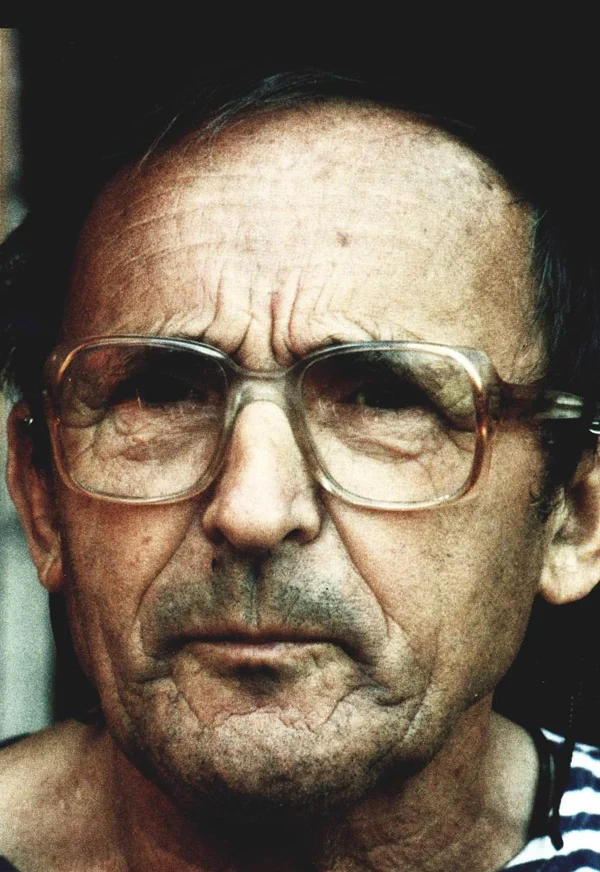
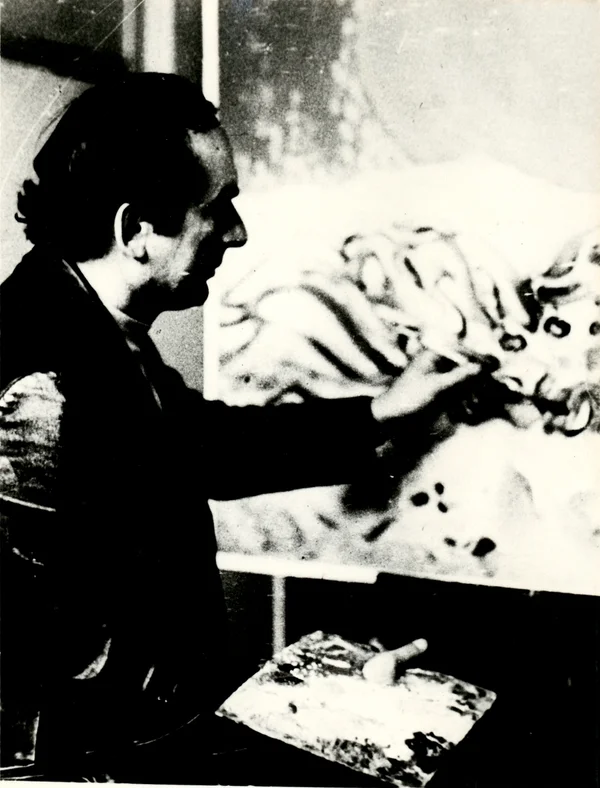
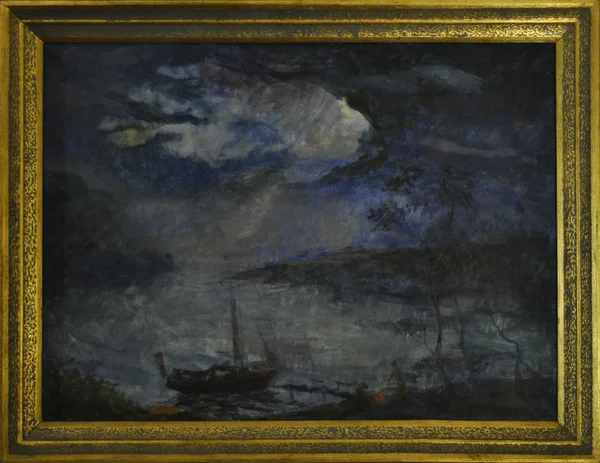
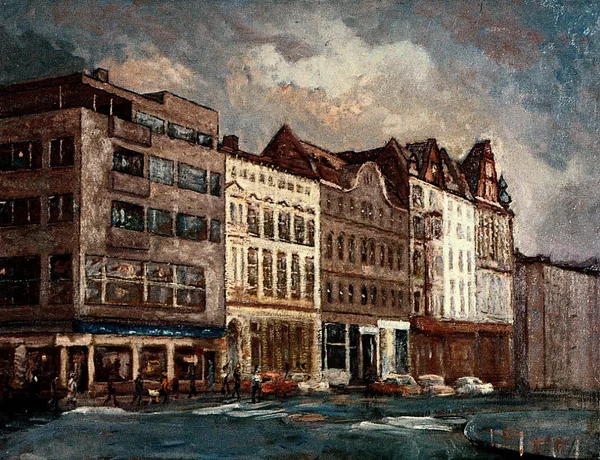
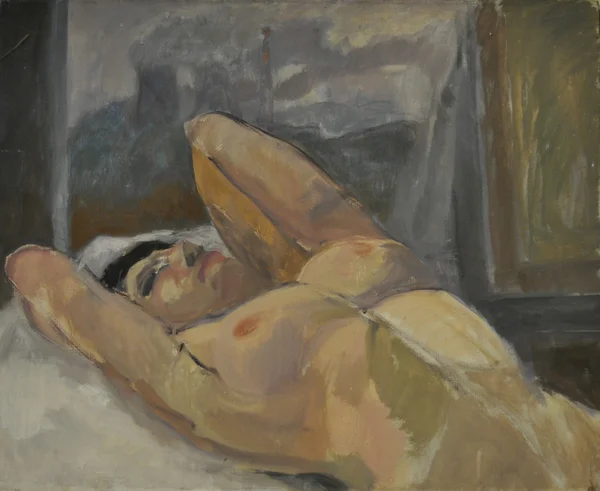
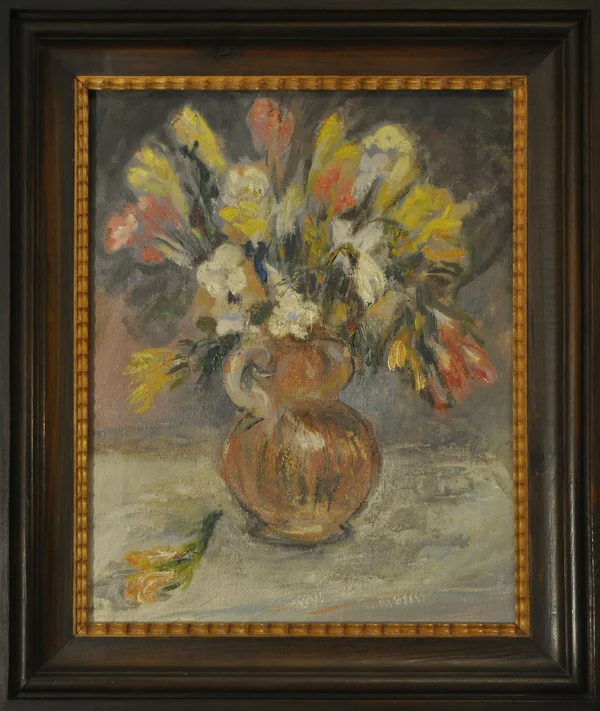
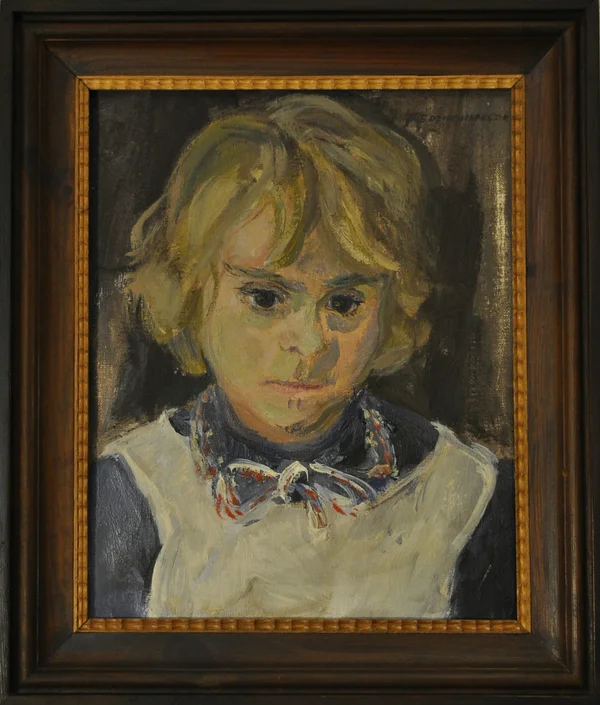
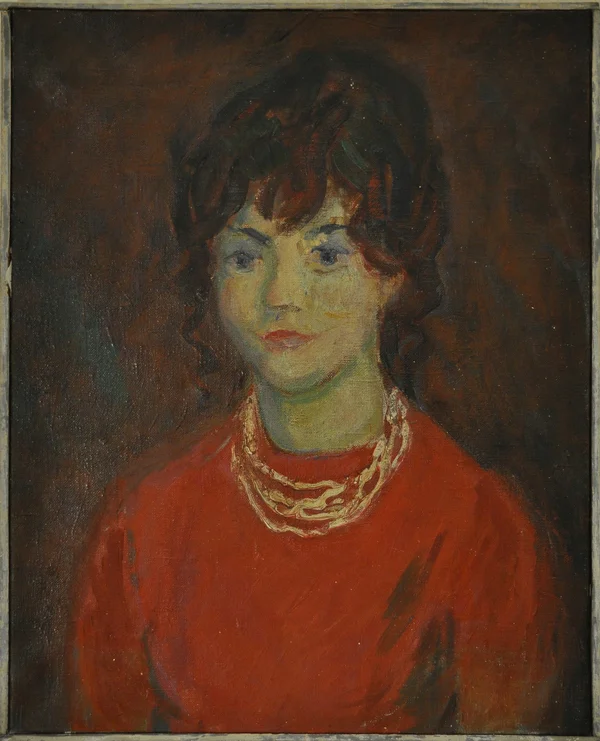
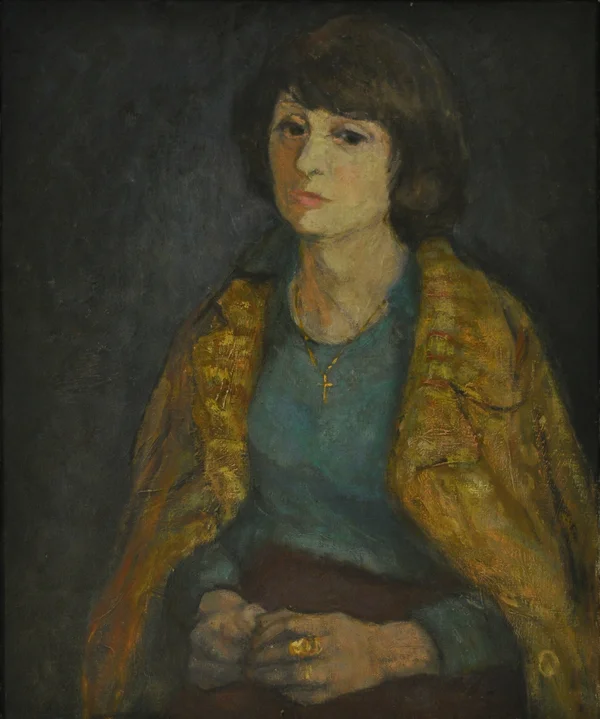
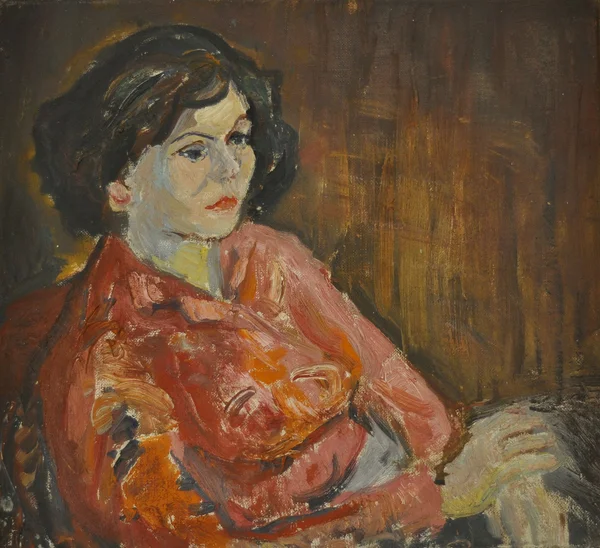
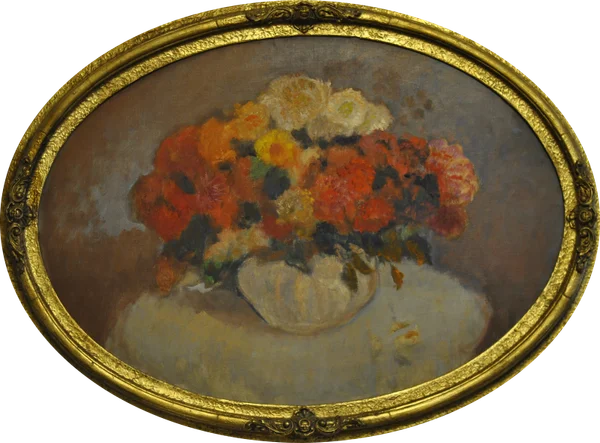
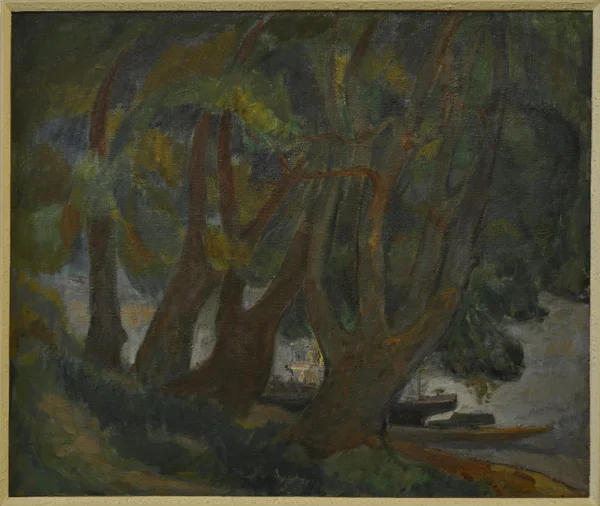
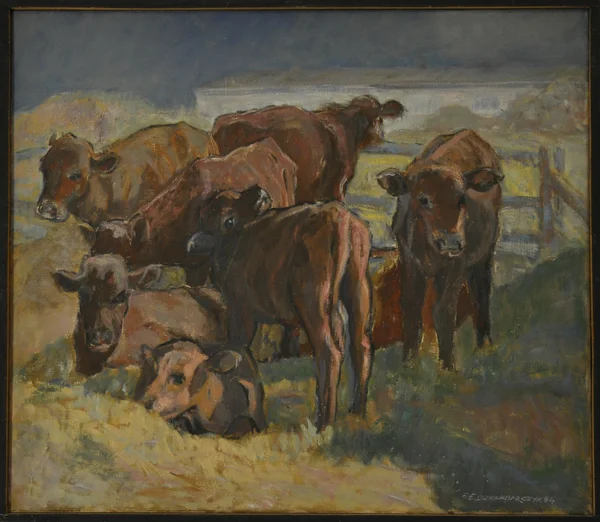
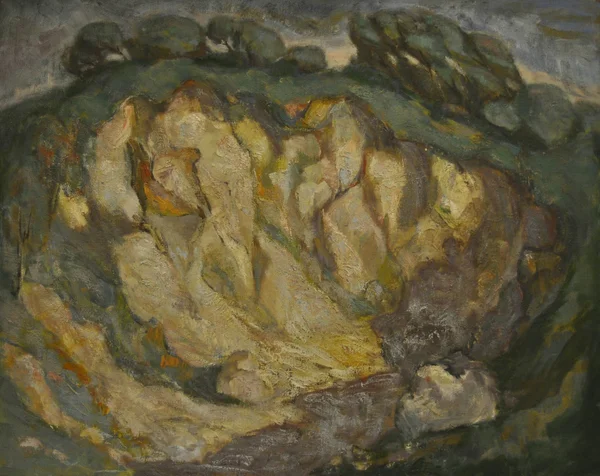
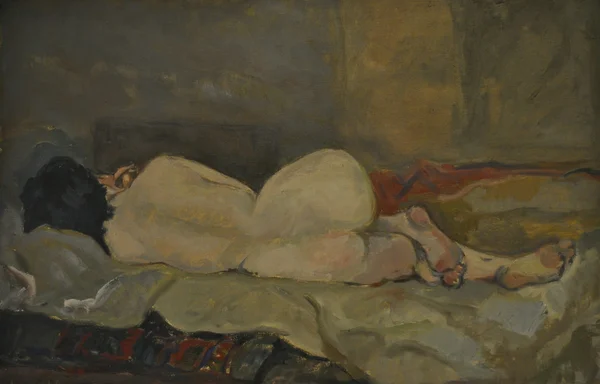
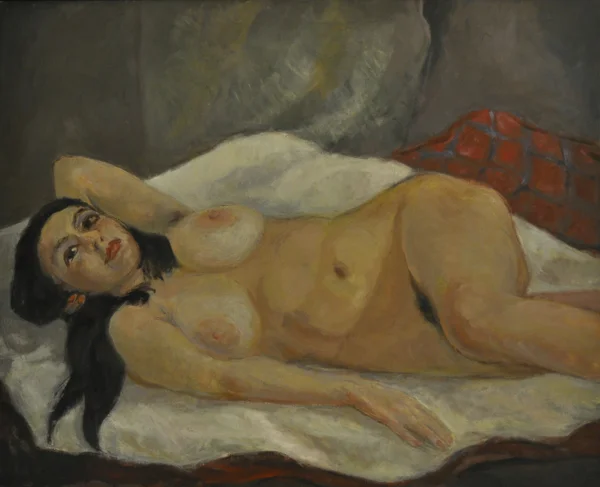
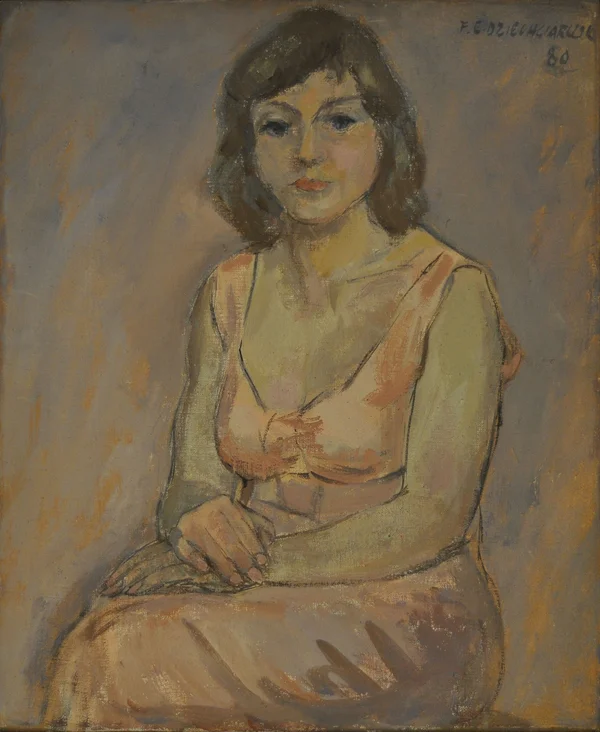
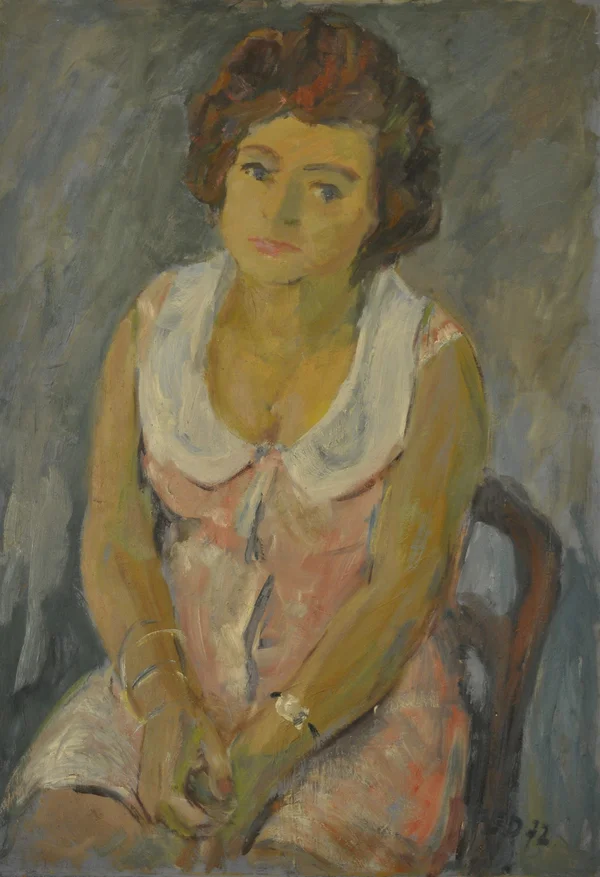
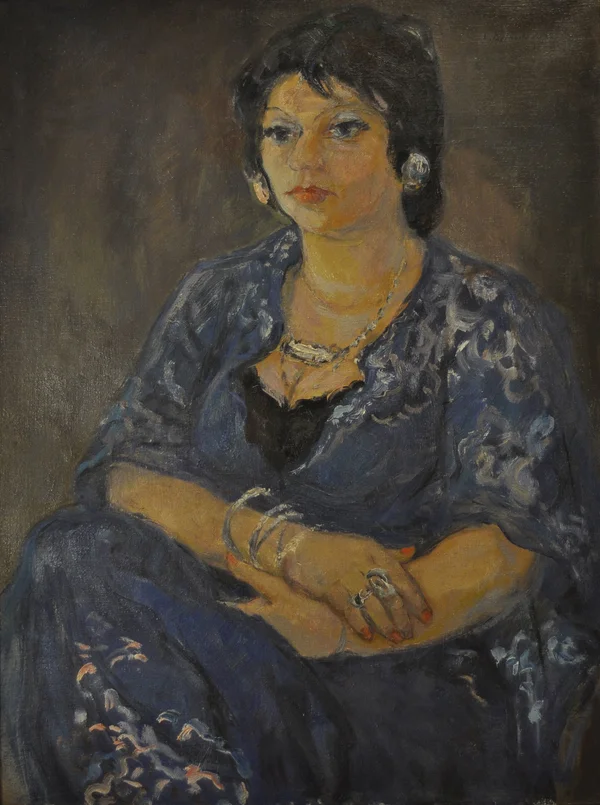
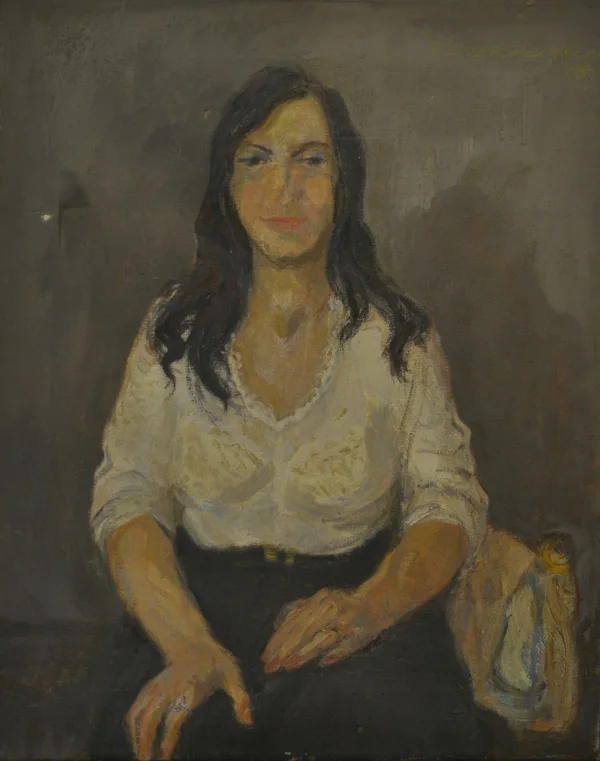
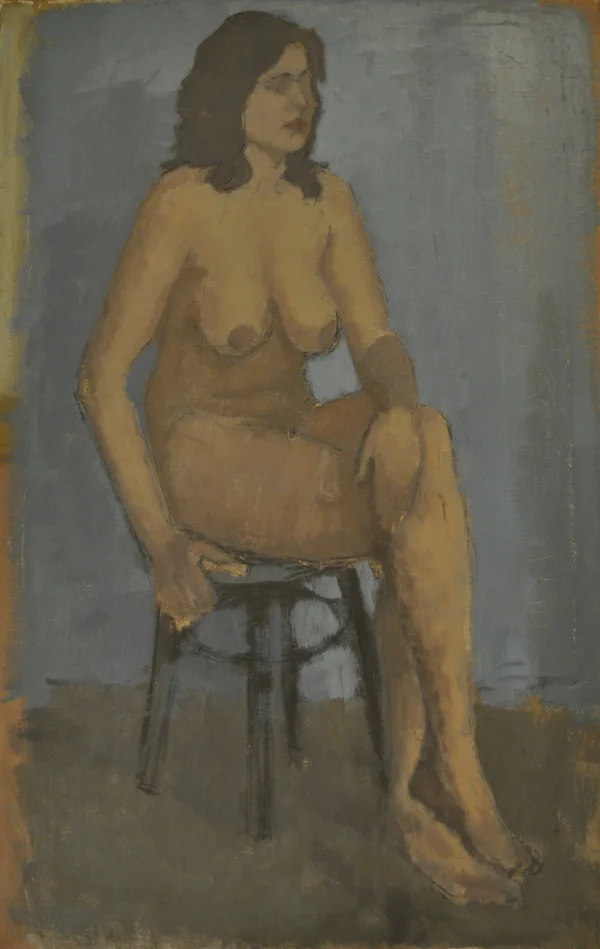
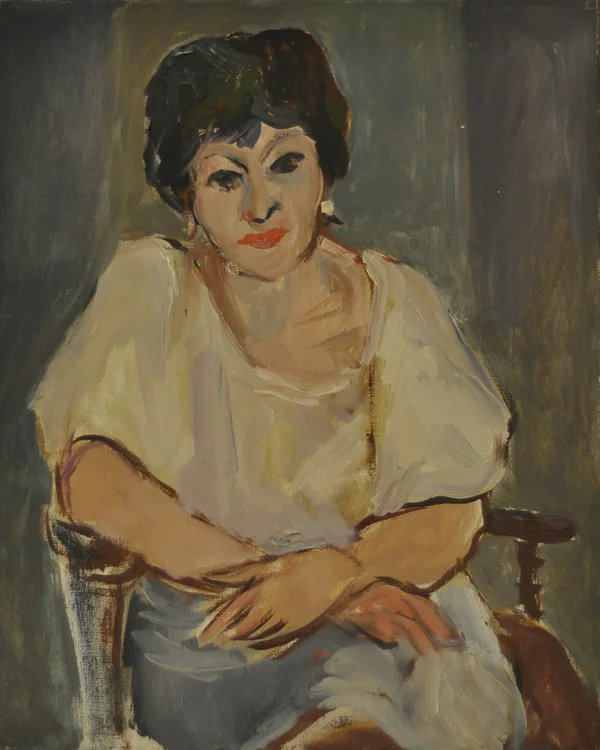
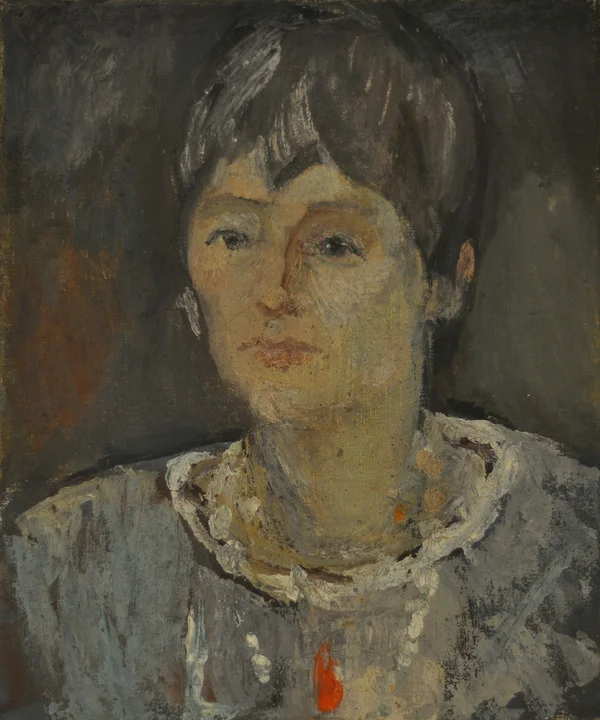
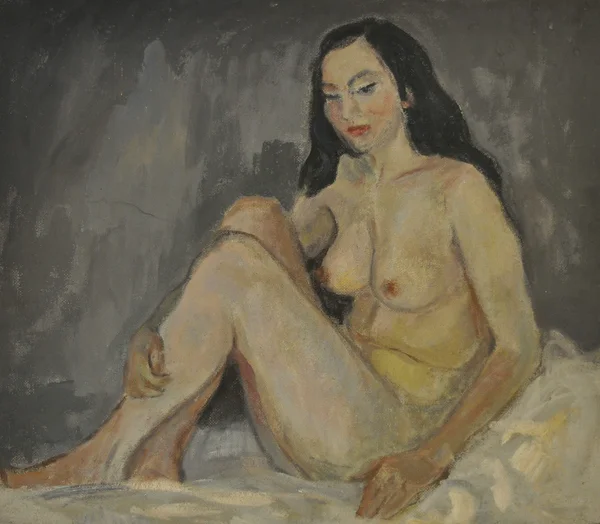
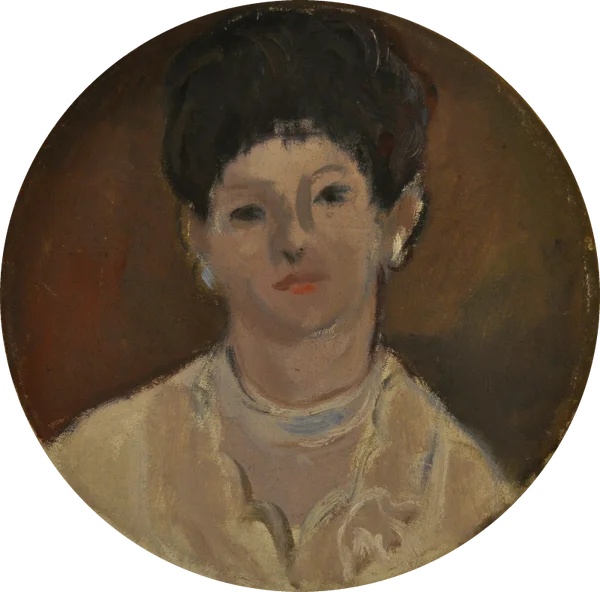
Edward Feliks Dziechciarczyk - Edek, Edzio, Tytek – polish painter, storyteller and a joker. He did not care about fame and legacy, what he liked most in his artistic work was the process of creation, often working on several pieces at the same time and leaving many of them at the sketch or impression stage. He used to say that no one truly is an artist, one can only be an artist sometimes. He mainly practiced easel painting, but in search of commissions, he also did polychrome restorations or wall painted advertisements.
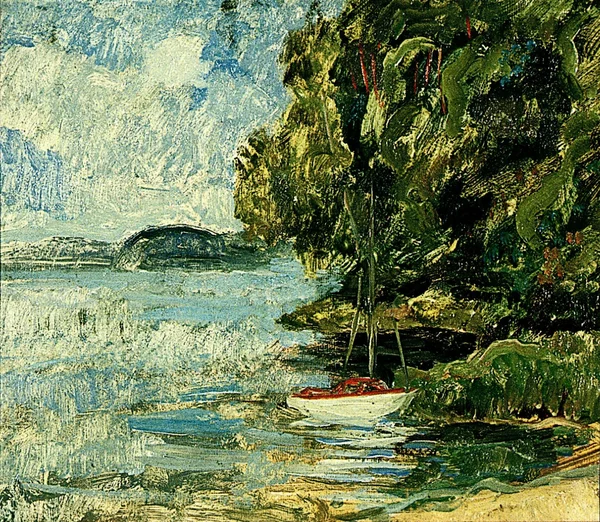
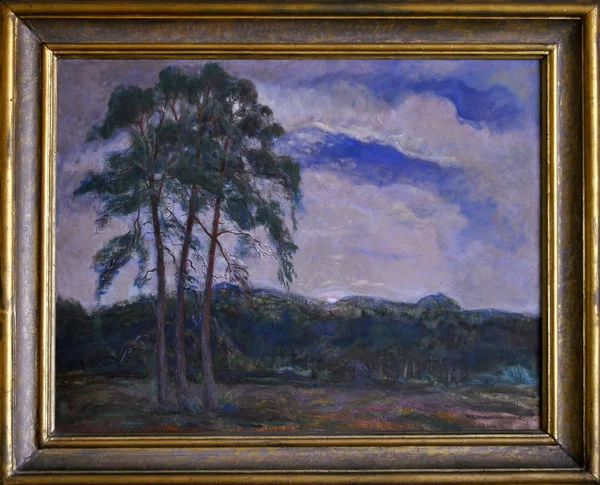
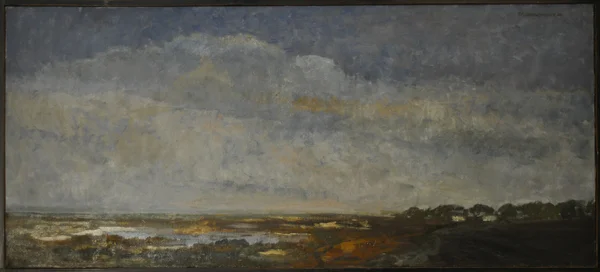
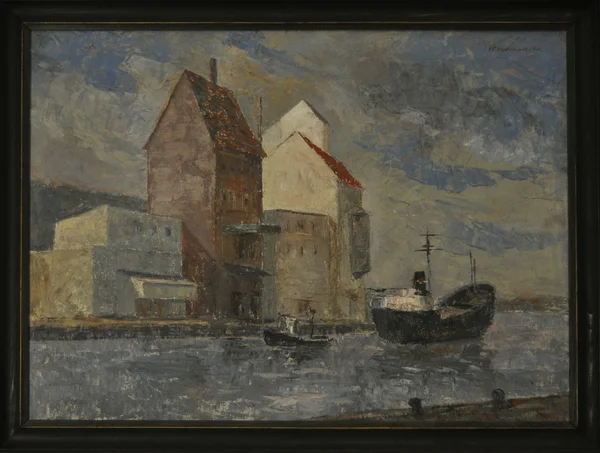
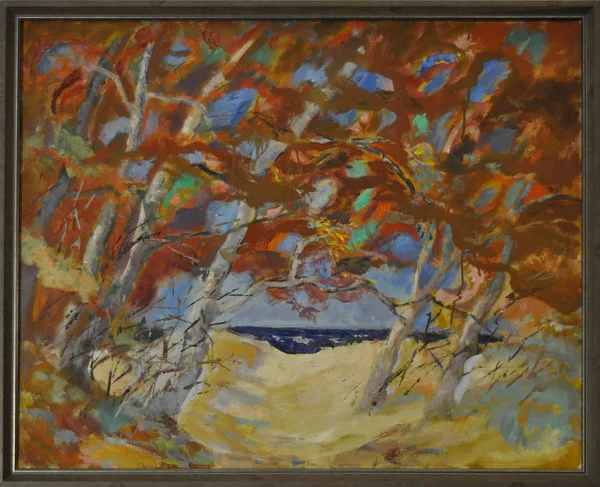
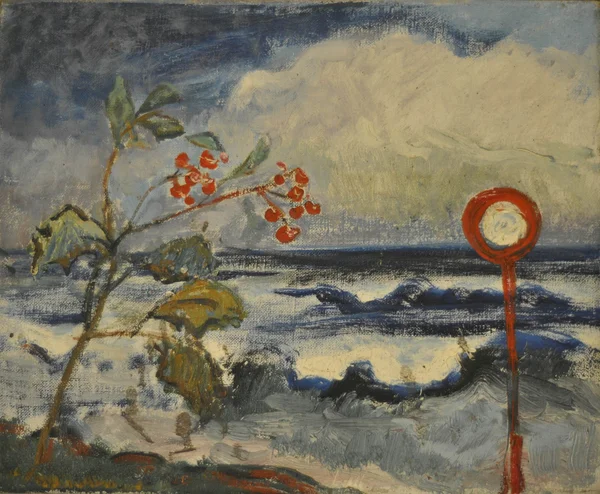
From his early youth, he was a keen handyman. During the German occupation he machined parts for bicycles on his own, after the war he assembled motorbikes from scrap and repaired his own cars. He commented on reality spontaneously and had a sharp tongue. When introducing himself to new acquaintances, he would say with a serious face that he was a ladies' tailor because he had three daughters. He attended all school meetings, from which he often returned with notes decorated with sketches and caricatures of teachers or parents. He was enchanted by the Masurian and seaside landscapes. Trying to live closer to nature, he built a never-finished house in Czekanka, near Siewierz, where he liked to relax on a hammock under his favorite pine tree.
He was born in 1921 in Wysoka near Zawiercie to Szczepan and Stanisława. He grew up in Chrzanów together with his younger brother Arkadiusz. In the pre-war period he was a part of a polish scouting movement.
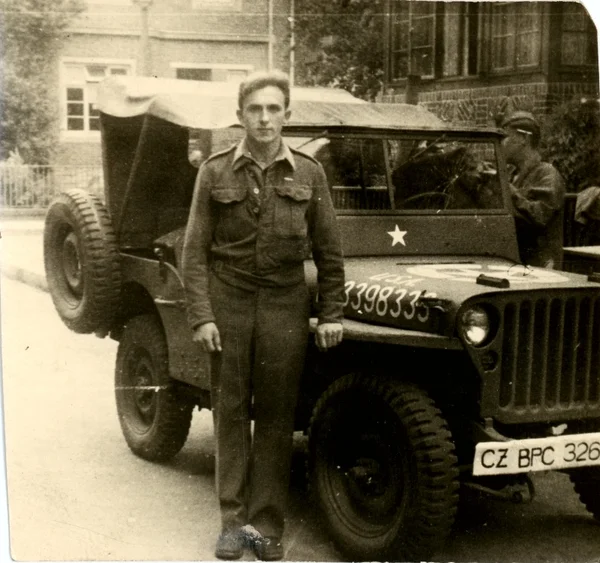
During the war he worked as an assistant lathe operator at the FABLOK Locomotive Factory, from where he was sent to forced labor in Germany for drawing caricatures of his supervisors. He managed to escape, and found shelter with the U.S. Army, where he learned to drive and became a delivery jeep driver. He returned to Poland in 1946.
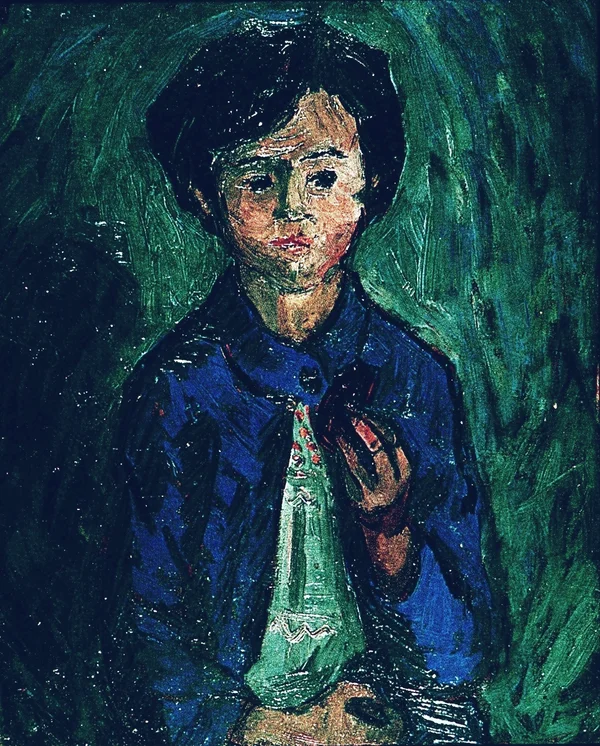
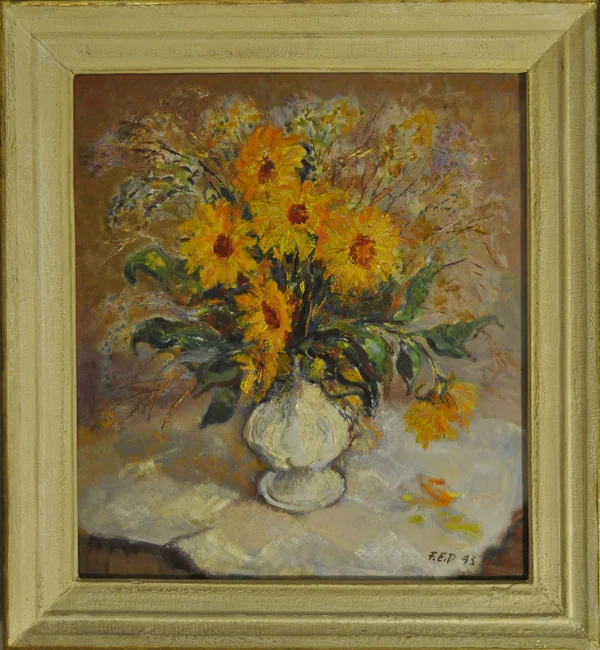
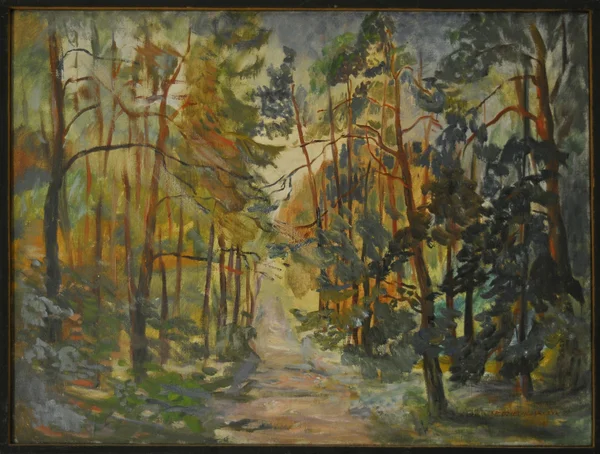
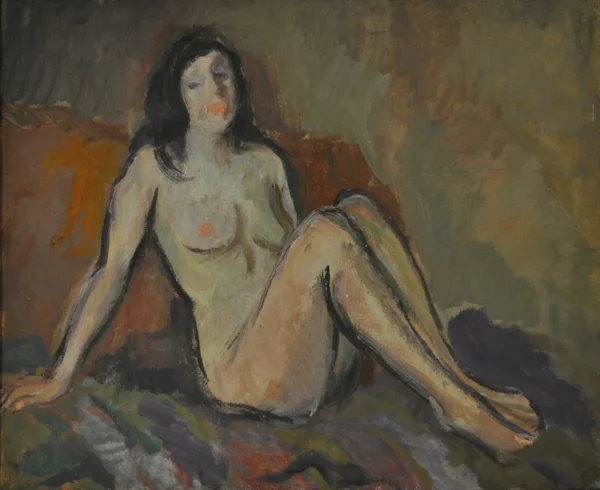
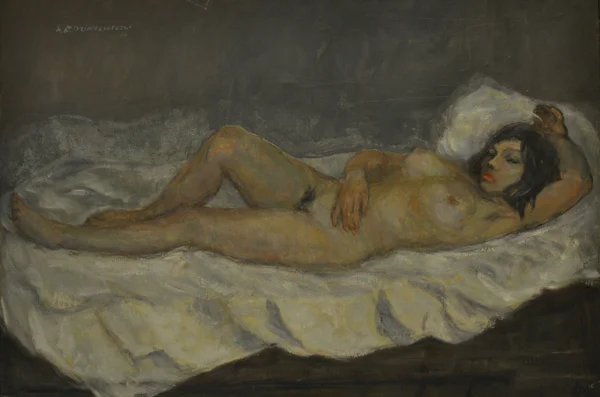
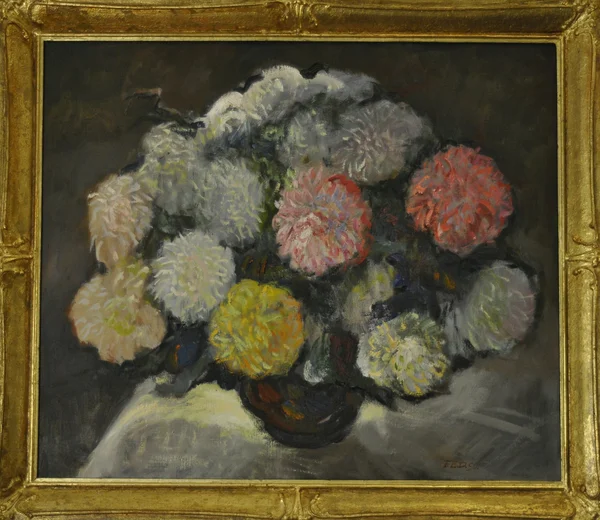
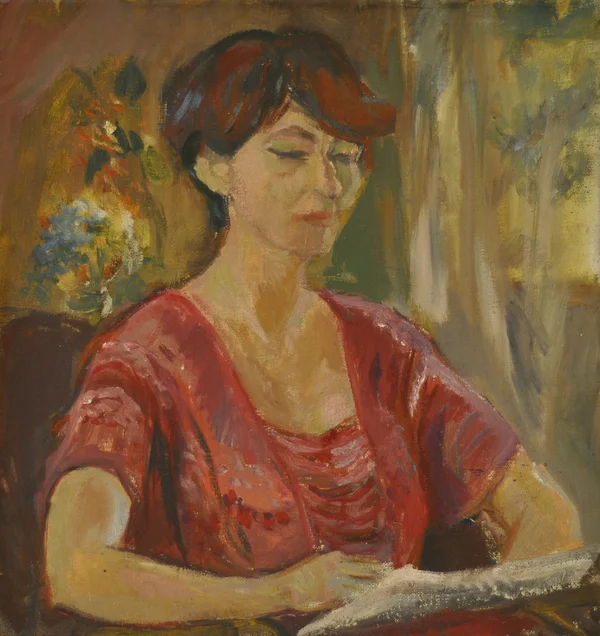
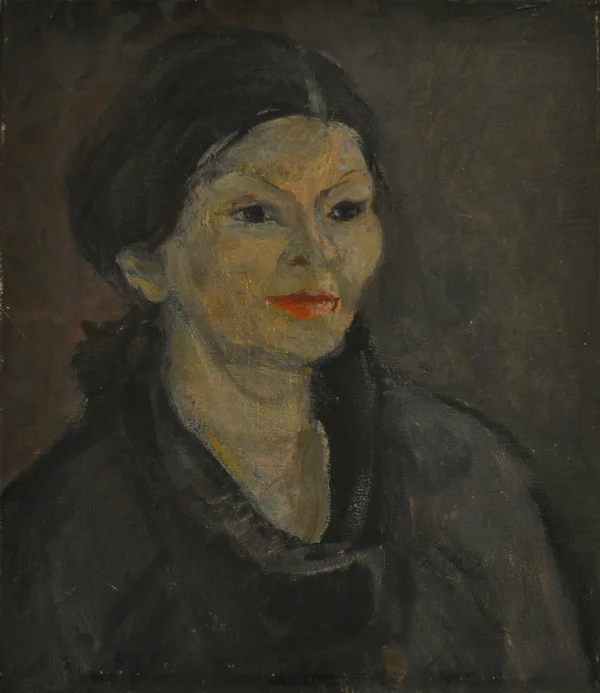
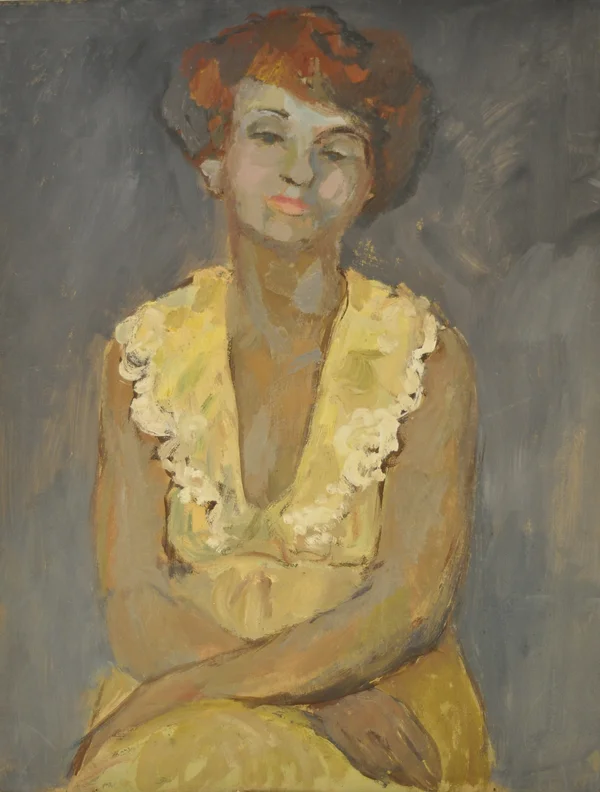
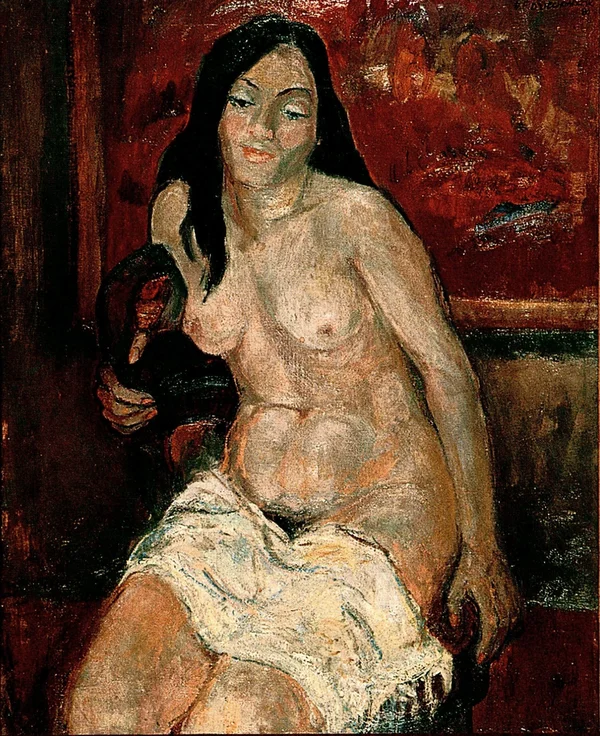
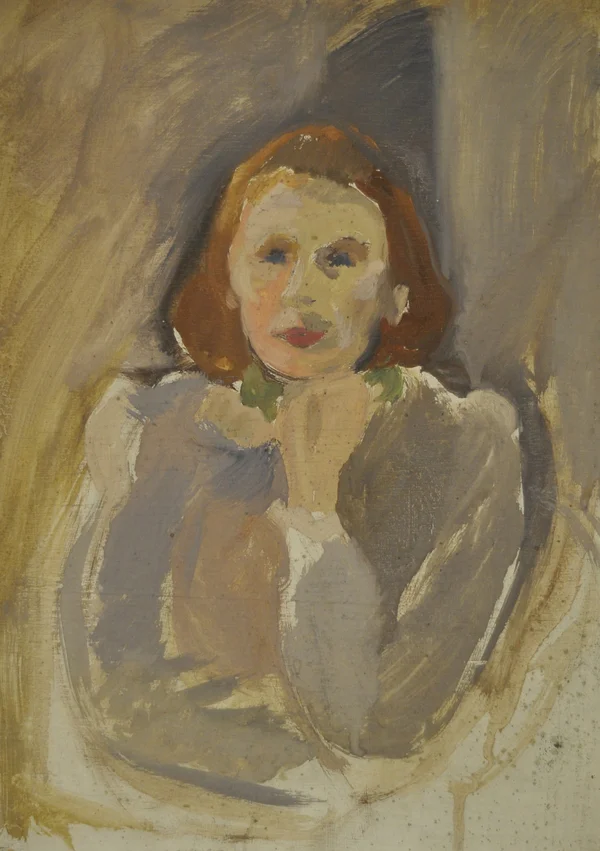
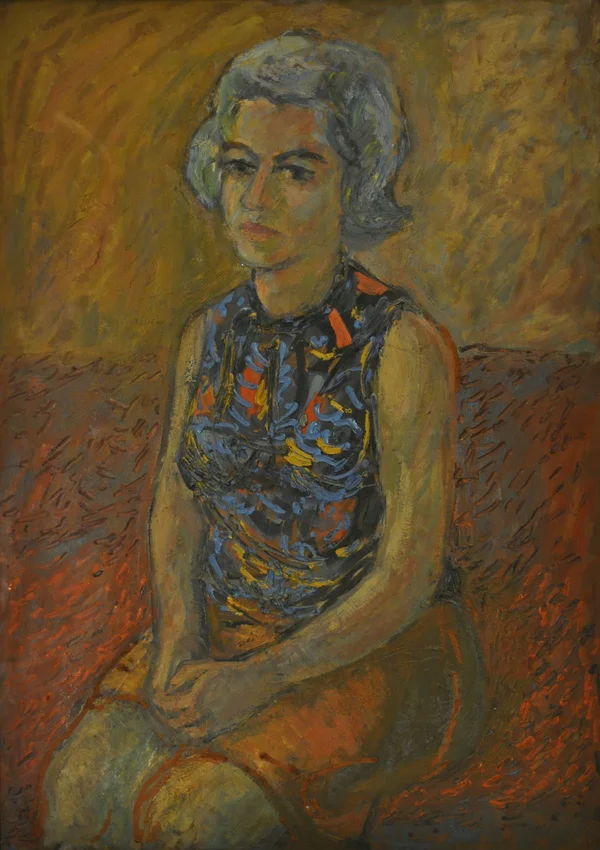
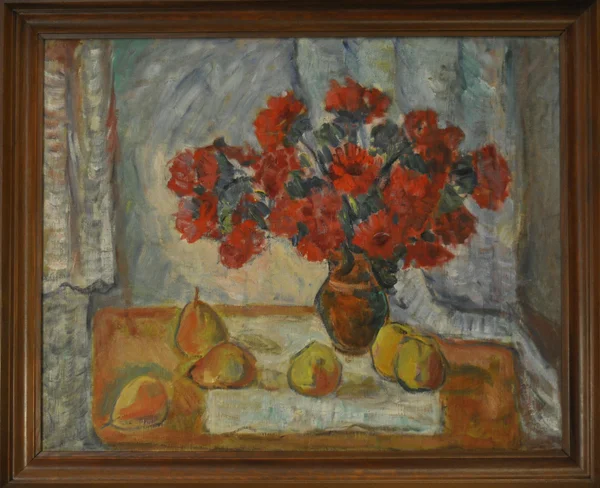
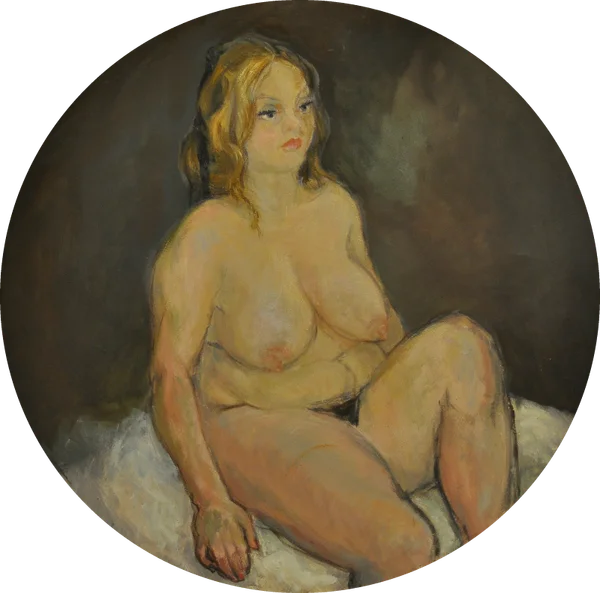
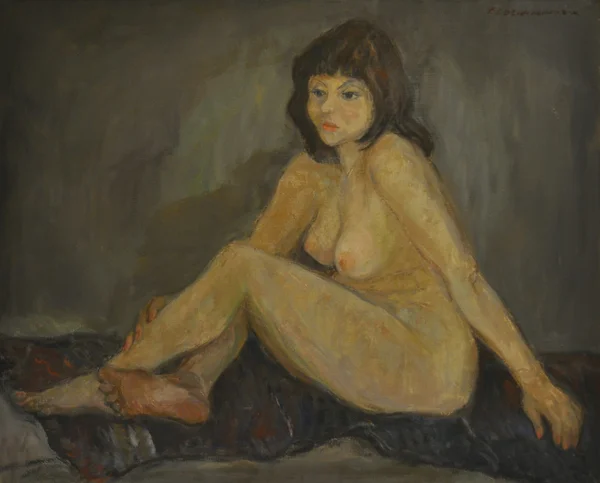
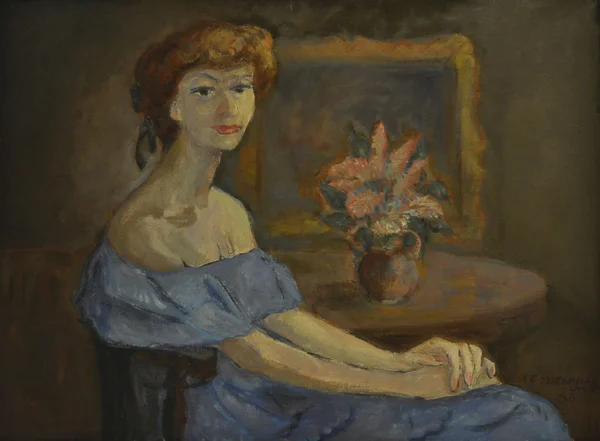
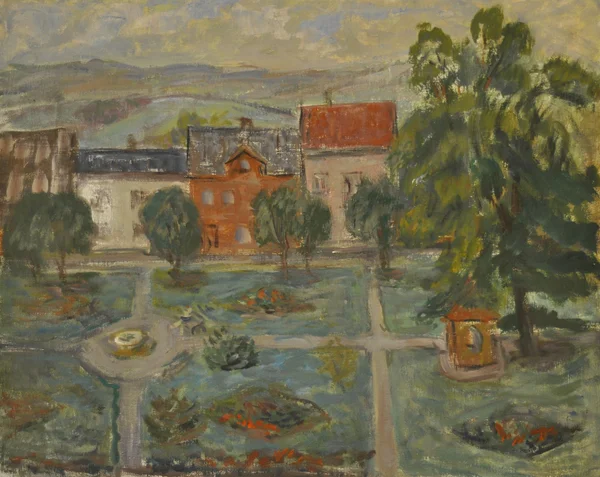
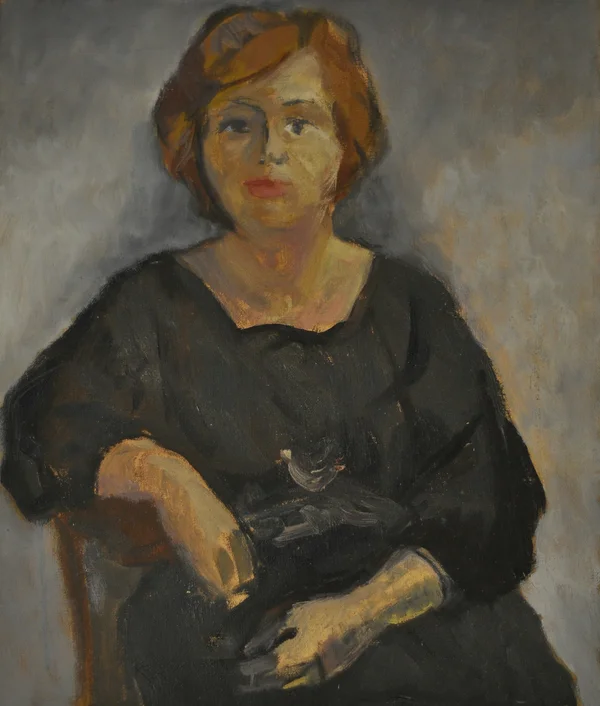
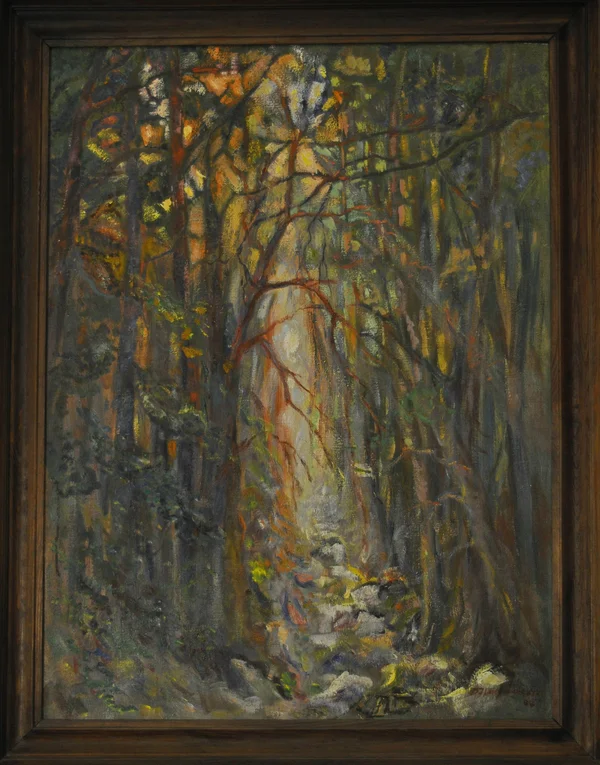
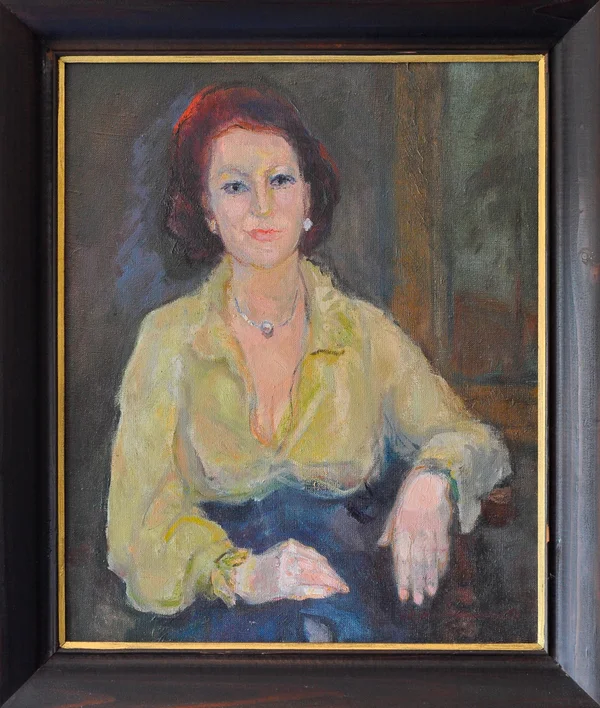
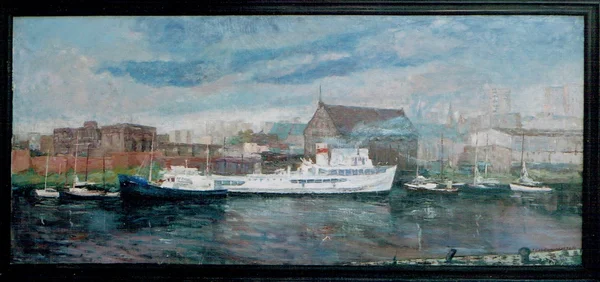
From 1947 until 1952, he studied painting at the Academy of Fine Arts in Kraków under professors Jerzy Fedkowicz, Zbigniew Pronaszko and Wacław Taranczewski. He obtained his diploma in 1953. His favorite themes were landscapes and still lifes. He also painted numerous portraits and nudes. Since 1953 he was a member of the Association of Polish Artists and Designers, where he held many positions in the Katowice District Board. In the years 1953-1968 he was an artistic director at the State Highschool of Fine Arts in Katowice. He organized numerous regional and national open air artistic events and was a member of the organizing committee for Chrzanów’s Land Museum.
He lived and worked in Katowice, his studio was located at Plebiscytowa Street and in the summer house in Czekanka. During forty years of artistic work his paintings were displayed at national and district exhibitions, winning awards and distinctions.
Selected exhibitions
Solo exhibitions:
- Kraków / 1954, 1961
- Bielsko-Biała / 1975
- Katowice / 1981
- Warszawa / 1983, 1984
- Czeladź / 1992
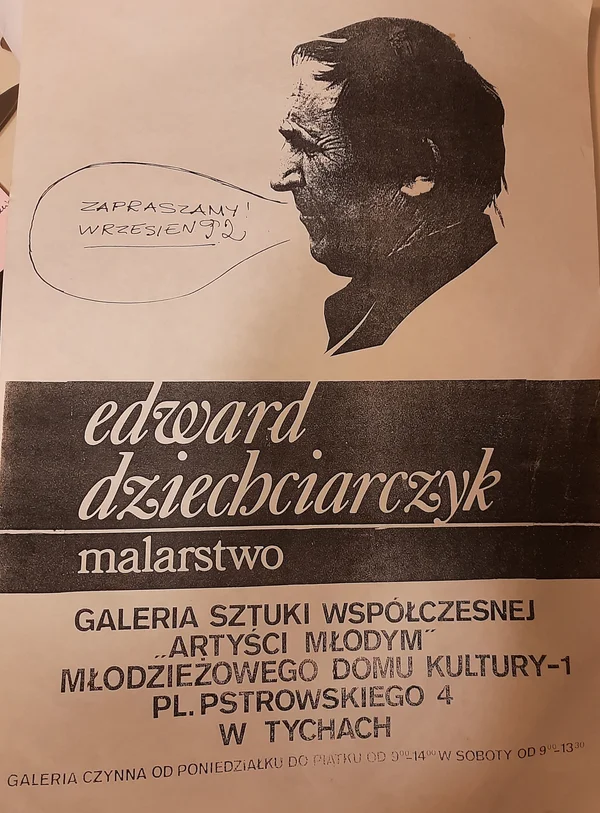
- Tychy / 1992
Group exhibitions:
- Kraków / 600th Anniversary of the Jagiellonian University, 1964
- Warszawa / Polish Portrait – Women in art, 1990
International exhibitions:
- Montreal / 1974
- Moscow / 1986
- London / 1987